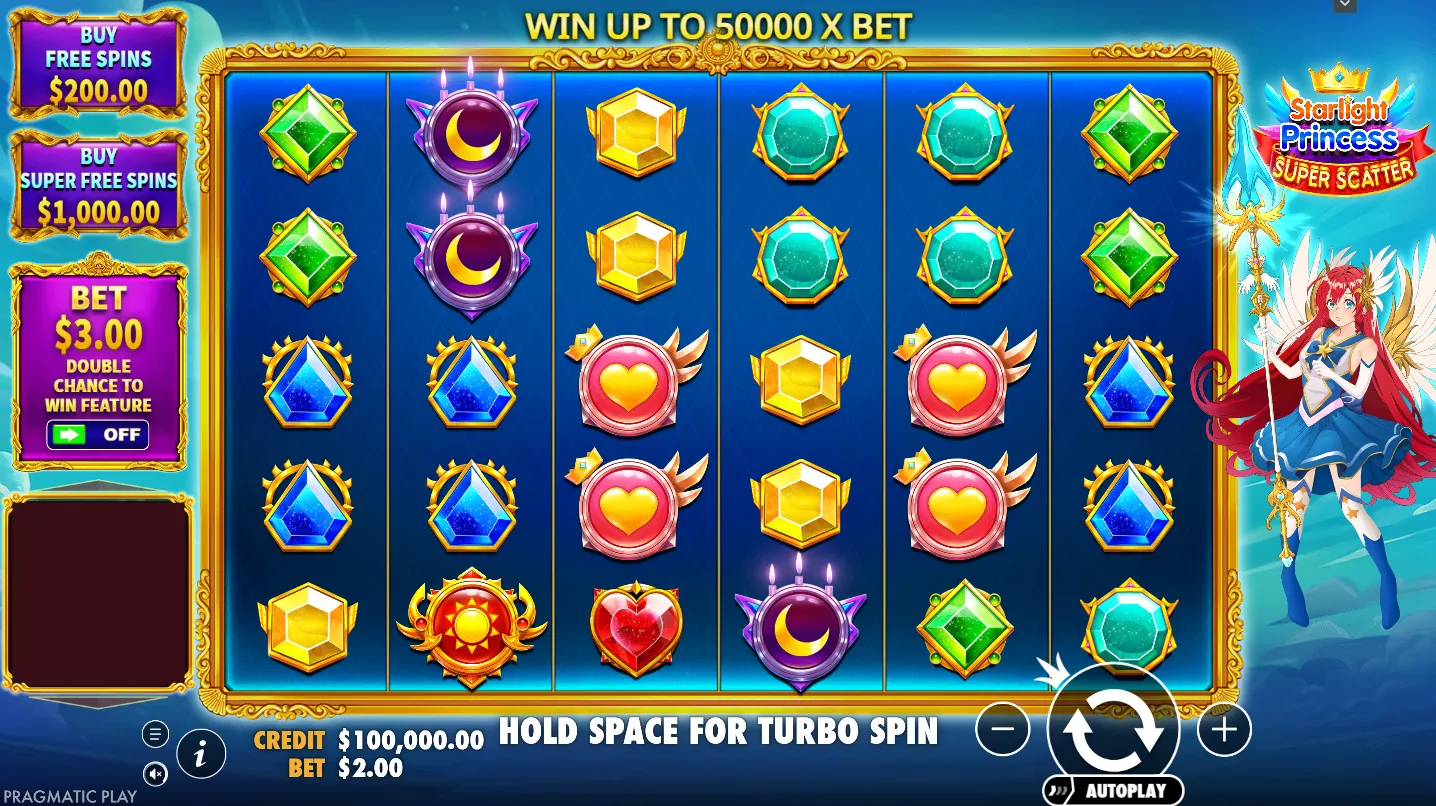
Why volatility shapes your slot session
Volatility is how uneven a slot’s payouts are: low means small wins come often; high means rarer hits but bigger ones. This shapes balance swings and how long you might play.
Think of two umbrellas. One is for drizzle (low volatility): you’ll get wet slowly if you stay out. The other is for storms (high volatility): you might stay dry for a while, then face a sudden downpour. Neither is “better”; you just pick the one that suits today’s weather and your patience. Slots work the same way.
Translating volatility into session rhythm
What the session often feels like
Low volatility often gives many small outcomes that extend playtime. Medium volatility mixes dry spells and mid‑sized hits, making sessions varied. High volatility can be quiet for stretches, then spike. This rhythm affects how you pace yourself and when you pause.
Simple example of timing (hypothetical)
Example, not advice: with the same spend, a low‑volatility game may give frequent small returns that keep the balance steady for an hour; a high‑volatility game may go quiet, then one feature gives back a chunk. Totals can match, but the path feels different.
Bankroll basics that keep sessions steady
Set a bankroll and cap to simplify choices during swings. Define session length and risk. Low volatility favors long, small-budget play; high suits short, tight runs if you can handle dry spells.
Two practical guardrails help: a time limit and a stop point. The time limit keeps sessions from drifting. The stop point means you end the session when you reach either your planned outlay or your planned result, whichever comes first. These are boundaries, not predictions.
Practical plans: step‑by‑step examples
Plan A: Long, even session (low volatility)
Goal: an hour with many small events. Not advice: use tiny bets on a calm game, when a bonus lifts balance stop or stay.
Plan B: Swingy session (high volatility)
Goal: embrace bigger swings with a clear exit. Example, not advice: choose a high‑volatility slot and set a firm cap plus a time window. Accept that several minutes may pass with little happening. If a large feature hits, consider ending the session per your stop rule. If nothing lands by the cap, you still finish on schedule.
- Pick the volatility that matches your mood and time window.
- Set a fixed bankroll and a clock alarm for the session length.
- Decide a simple stop point before you start.
- Play at a pace that makes reaching the time limit realistic.
- When either limit is reached, end the session without exceptions.
Tools, table, and quick checkpoints
Labels like “low,” “medium,” and “high” are broad. Use the paytable notes and in‑game info to gauge how features trigger and how prizes are distributed. A public homepage such as n3on-official.com exists if you are looking for brand pages; mentioning it here does not evaluate its contents. Combine any brand view with your own checks in the game’s information screen.
| Volatility | Session pattern | Common aim | What to prepare |
|---|---|---|---|
| Low | Frequent small outcomes | Longer, calmer play | Patience for many minor results |
| Medium | Mix of quiet and bursts | Balanced variety | Flexible time and expectations |
| High | Dry spells, then spikes | Chasing rarer features | Firm stop rules and short windows |
- Check the game info screen for how features trigger.
- Match volatility to your planned session length.
- Use a time limit to avoid stretching after a big swing.
- Treat examples as illustrations, not targets.
Small arithmetic can help. Example, not advice: if you plan 60 minutes and want at least 120 rounds, you’re aiming for roughly two rounds per minute. If early wins extend the balance, you might slow the pace to keep the same end time. If rounds run faster than expected, a brief pause every few minutes keeps you on schedule.
Conclusion: volatility tells you how bumpy the ride may be, and the bankroll plan tells you how long you want to stay on the ride. Decide both before you start, follow simple limits, and keep the session shaped by your plan rather than by the last spin.